
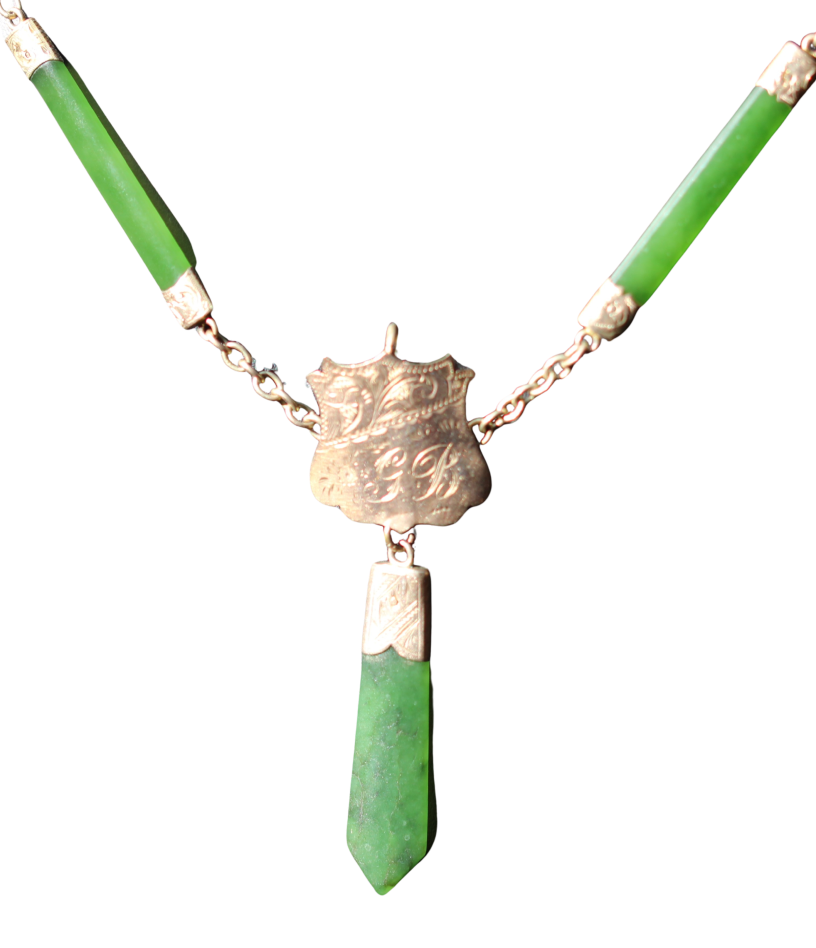
Jade is complicated. Prized for centuries, it is extremely tough, and has been used for tools like axes and weapons as well as for items for personal adornment. Jade is actually two separate minerals – jadeite and nephrite – but both are able to be called jade. While jadeite has a granular texture and nephrite has a fibrous texture, it is very difficult to tell them apart, particularly as both, but particularly jadeite, are subject to lots of treatments including bleaching, dyeing, filling, heating and waxing.
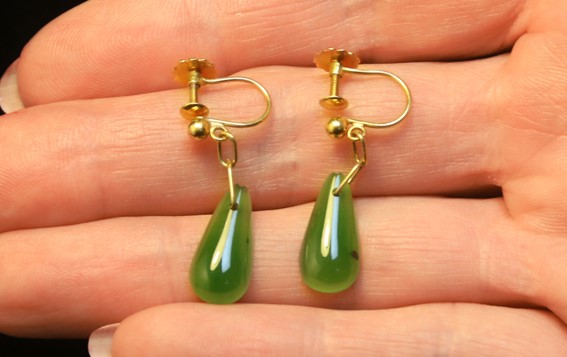
Jadeite comes in a range of colours including white, pink, green, red, grey, black and lots of mottled shades, while nephrite ranges from a white, to greens (lots of shades) to almost black. Jadeite is the more expensive of the two minerals, particularly if it is a translucent emerald green colour, caused by the presence of chromium.
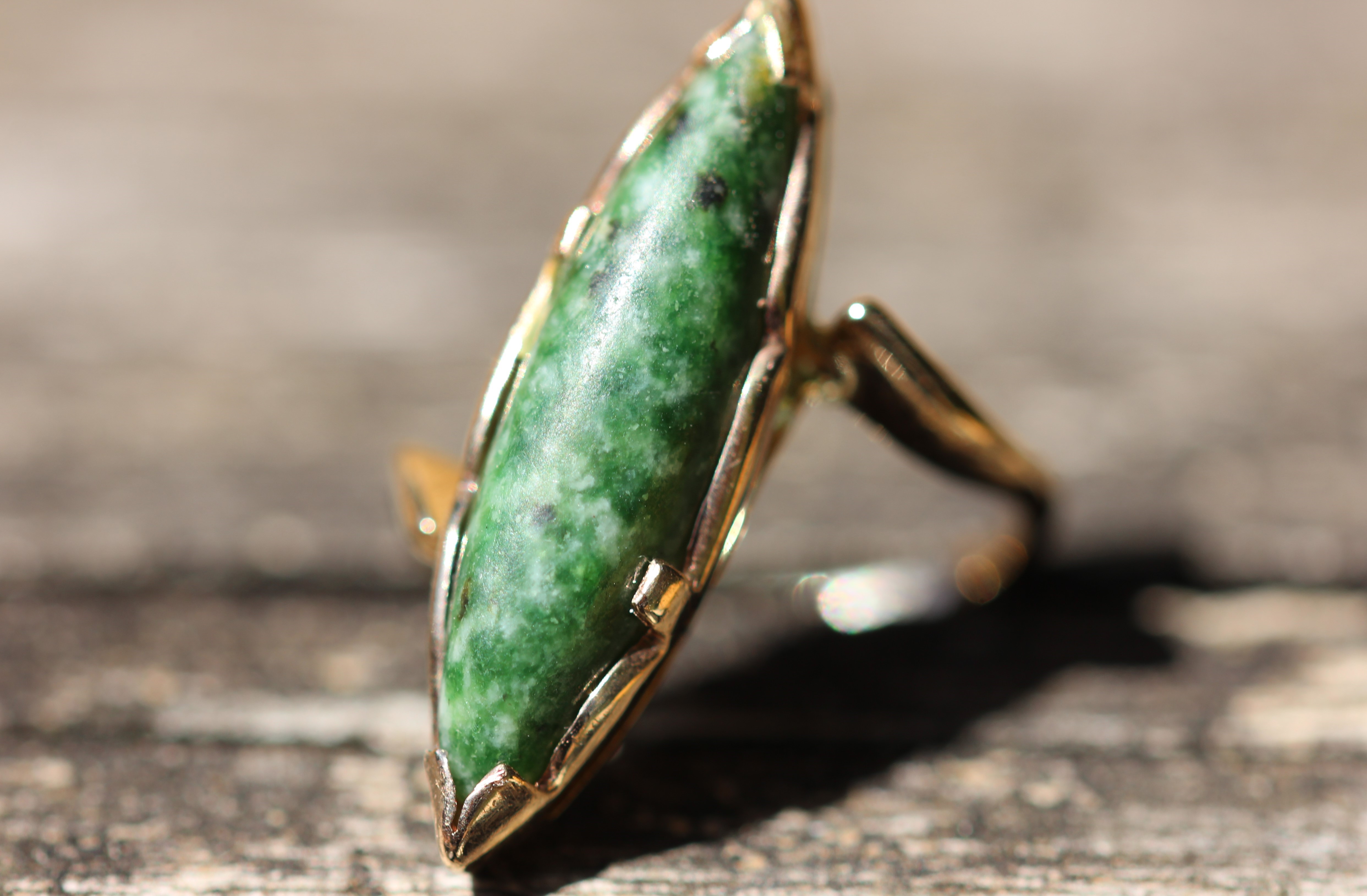
While China is the country most associated with jade, the jade they used for centuries was nephrite, until around 1750 when they also began to import jadeite from what was then Burma, now Myranmar. 70% of the world’s jadeite still comes from Myanmar and it is the best gem quality jadeite. It is also mined in Guatemala and there are smaller deposits in California and Russia. Nephrite deposits are found more widely, including in China, New Zealand, Australia, Russia and Canada.
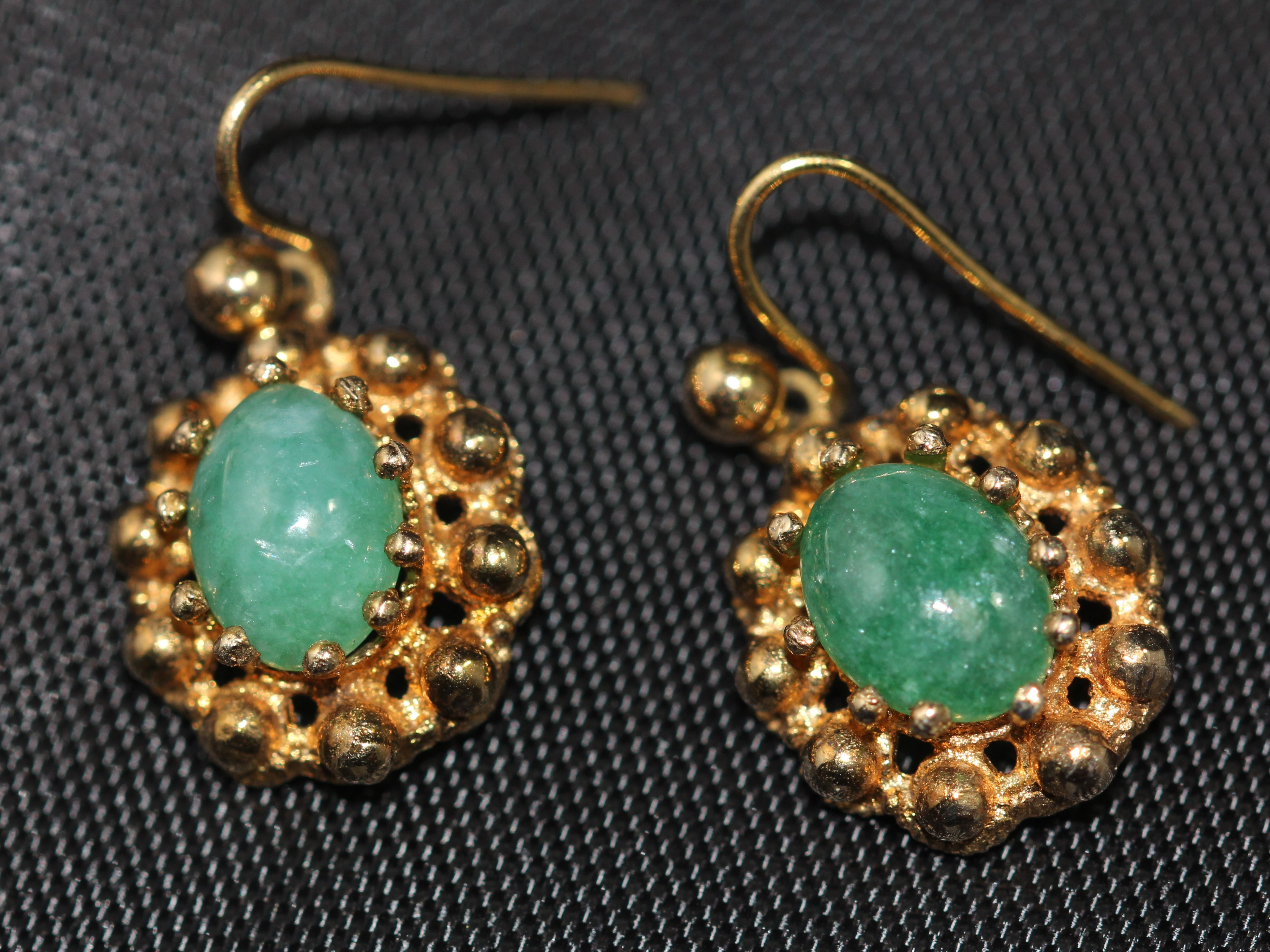
There are a lot of gemstones that have been called jade as they can look similar but they have different mineral structures. They include serpentine, amazonite, chrysoprase and aventurine. The earrings above are lovely amazonite stones, green with slight white mottling. Some of these look alike stones as well as glass have been used to imitate jade so care needs to be taken in buying any jade.
 navette jewellery