
In 2007, the OECD released an interesting report mapping the routes of trade in fake goods, including jewellery. The category of jewellery covered in the report included ‘jewellery of precious metal, gold, silver or base metal; as well as imitation jewellery, pearls, diamonds and other precious stones’ (p 72, OECD Report). The report includes data from 2011 to 2013, so is a bit dated, but it does contain some fascinating figures. For instance, it notes that in 2013, the global trade in counterfeit jewellery was 40.9 billion USD, which made it the second-most affected global industry in terms of value (ibid). As well, the report noted that China, including Hong Kong, was the main producer of counterfeit jewellery between 2011 to 2013, accounting for more than 90% of the total of fake jewellery seized during that period.
The other interesting jewellery related data contained in the report was that the number of global trademark applications for the jewellery industry was 60,538 in 2013, placing the industry in the top 50% of the most intense in terms of trademarks among 45 countries (ibid).
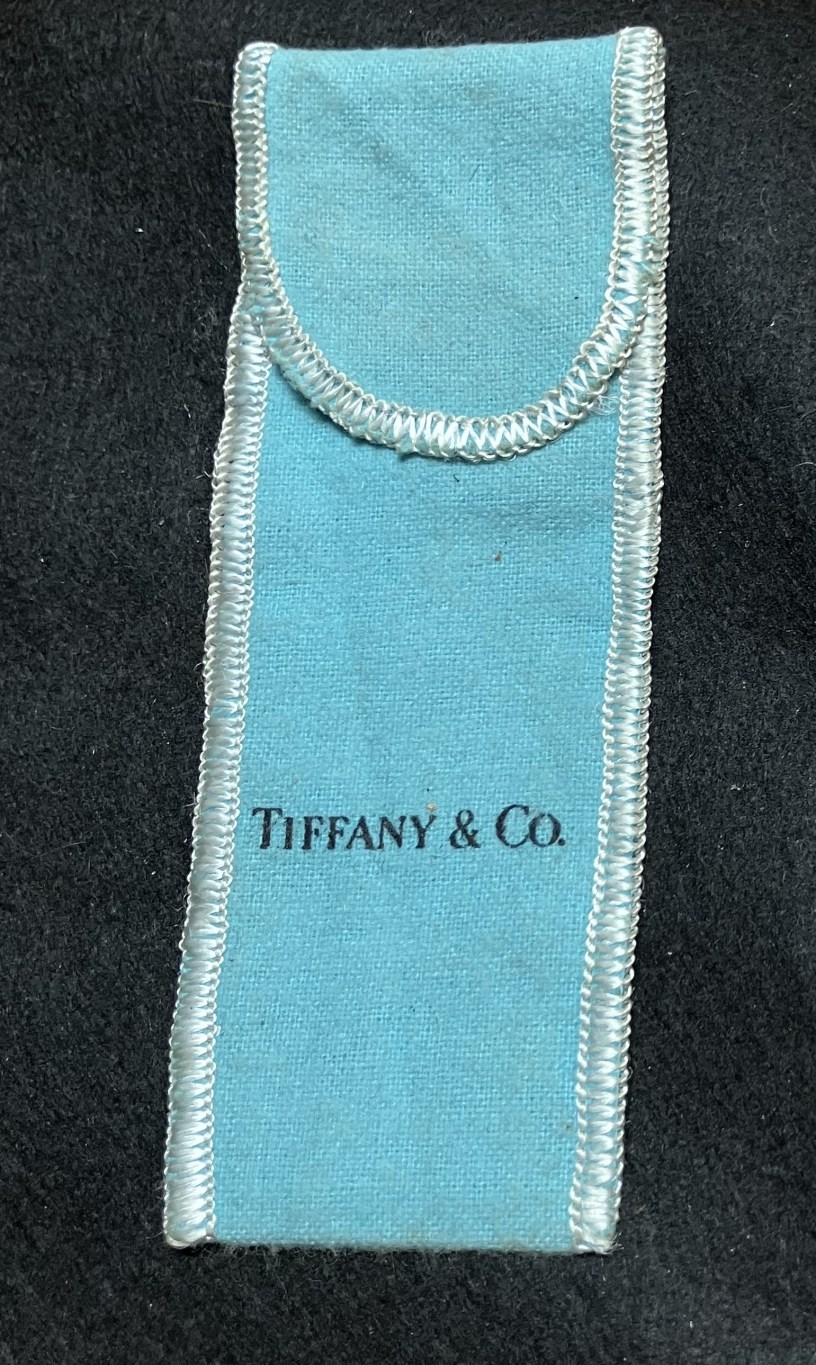
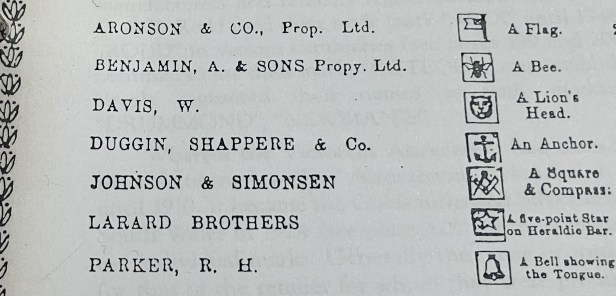
So there is a real problem of counterfeiting in the jewellery industry and trademarks may offer some protection to designers in some instances. What can be protected by a trademark? Generally, a name (Cartier), a colour (Tiffany blue used for its packaging), a letter inside a shape (Mikimoto uses an M inside a shell outline), initials (a maker’s mark stamp) or a symbol, also a maker’s mark (see below), and so on.
Copyright law can also be used for jewellery protection but it is a bit trickier. Copyright can protect a drawing, a pattern or a creative artistic image. It must be original and in a material form. Although there are not many cases involving copyright breaches, there are a few that are interesting and which illustrate the difficulties in proving breach of copyright. The first cases involve Van Cleef & Arpel and its range of ‘Vintage Alhambra’ jewellery. This jewellery involves a four leafed clover with a gold bead border around an organic gemstone, like mother of pearl or an opaque agate gemstone. In 2008, Van Cleef & Arpels successfully sued Landau Jewelry in the US for breach of its copyright in the clover shape, despite other instances of that shape being used previously. However, in 2023, the firm lost a case for breach of copyright against Louis Vuitton in the French Appeals Court. This second arose because, in 2015, Van Cleef & Arpels discovered that Louis Vuitton had introduced a jewellery collection named “Blossom”, which had a similar four lobe image in mother of pearl or agate but also had a central gold bead, a plain gold border and it was set on a round disc. The judges felt there were sufficient differences between the two sets of jewellery so copyright was not breached.
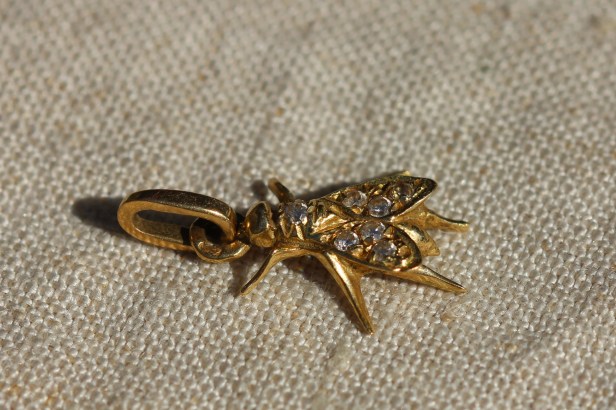
Cartier, though, was successful in protecting its Love bracelets while Galatea Jewelry Corporation settled a case against Swaroski regarding their ‘Two in One Hearts’ design. However, Herbert Rosenthal Jewelry Corp. was unsuccessful in proving a breach of copyright in respect of its jewelled bee pin (and in a subsequent case concerning a jewelled turtle brooch). A bee with jewels on its back was very similar to any other bejewelled bee and the plaintiffs failed to prove their item was truly ‘original’ and distinguishable.
References:
Cartier v. Costco Wholesale, Inc., 754 F.3d 782 (9th Cir. 2014)
Galatea Jewelry Corporation v. Swarovski North America Limited et al 2017, No. 2:2017cv08737 (C.D. Cal. Dec. 4, 2017), settled out of court.
Herbert Rosenthal Jewelry Corp. v. Kalpakian, 446 F.2d 738 (9th Cir. 1971)
A Mathur, ‘Carats & Contracts: Intellectual Property Protection for Jewelry Designs’, July 2024, https://itsartlaw.org/2024/07/23/carats-contracts-intellectual-property-protection-for-jewelry-designs/
OECD, ‘Mapping the Real Routes of Trade in Fake Good’s’, 2017, https://www.oecd.org/content/dam/oecd/en/publications/reports/2017/06/mapping-the-real-routes-of-trade-in-fake-goods_g1g7cdef/9789264278349-en.pdf
PB Fashion Law, ‘Copyright Protection of Jewelry’, 2008http://fashionlawwiki.pbworks.com/w/page/11611163/copyright%20protection%20of%20jewelry
 navette jewellery