
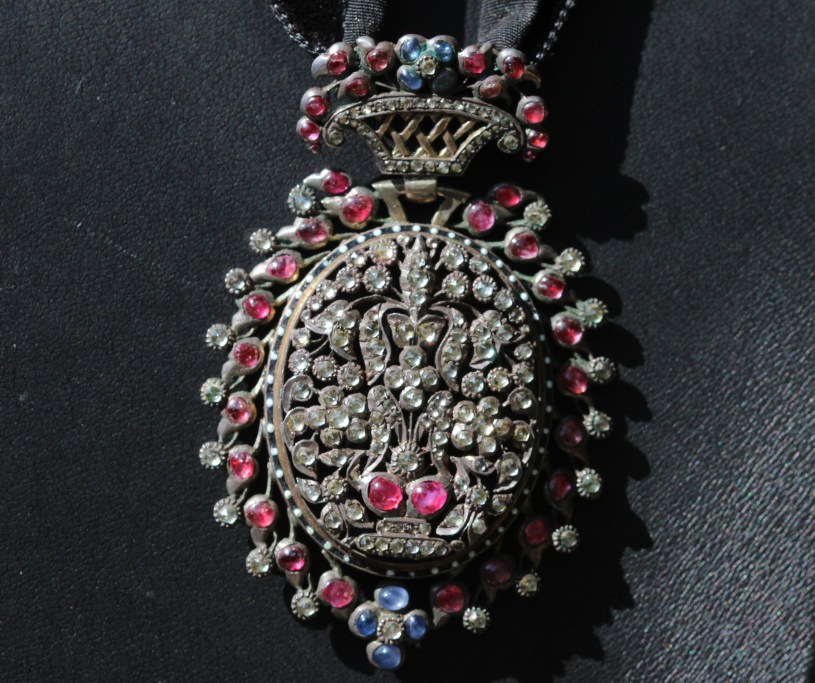
Rubies, the July birthstone, are a beautiful gemstone, ranging in colour from a pinky-red to a blood red. While used in jewellery for centuries, they have not always being recognized as being rubies though. Pliny the Elder, writing in the first century AD, wrote about red stones but grouped them all as ‘carbunculi’ because they have a fiery appearance. It is assumed that Pliny is including garnets, rubies, spinels and tourmalines in his description here. Pliny stated there were 12 varieties of carbunculi but most of the names he mentions relate to where the red stones came from, like the Indian, Carthaginian, Ethiopian and the Syrtitae, in the Libyan desert.
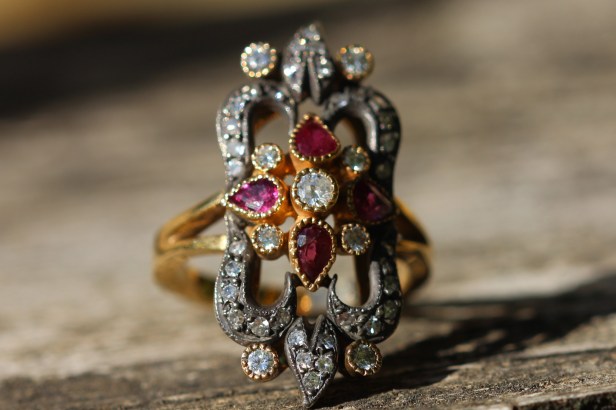
The word ‘ruby’ is derived from the Latin for ‘red’ – ‘ruber’. Ruby was first used to refer to a red gemstone in the 14th century. The term ‘Balas’ ruby was used to describe red spinels. The term ‘Balas’ comes from mines in Balascia, now Badakhshan in an area crossing into both Afghanistan and Tajikstan where red spinels were mined. It was not until the 18th century that rubies were able to be separated from spinels and recognized as being a member of the corundum family of gemstones, along with sapphires.
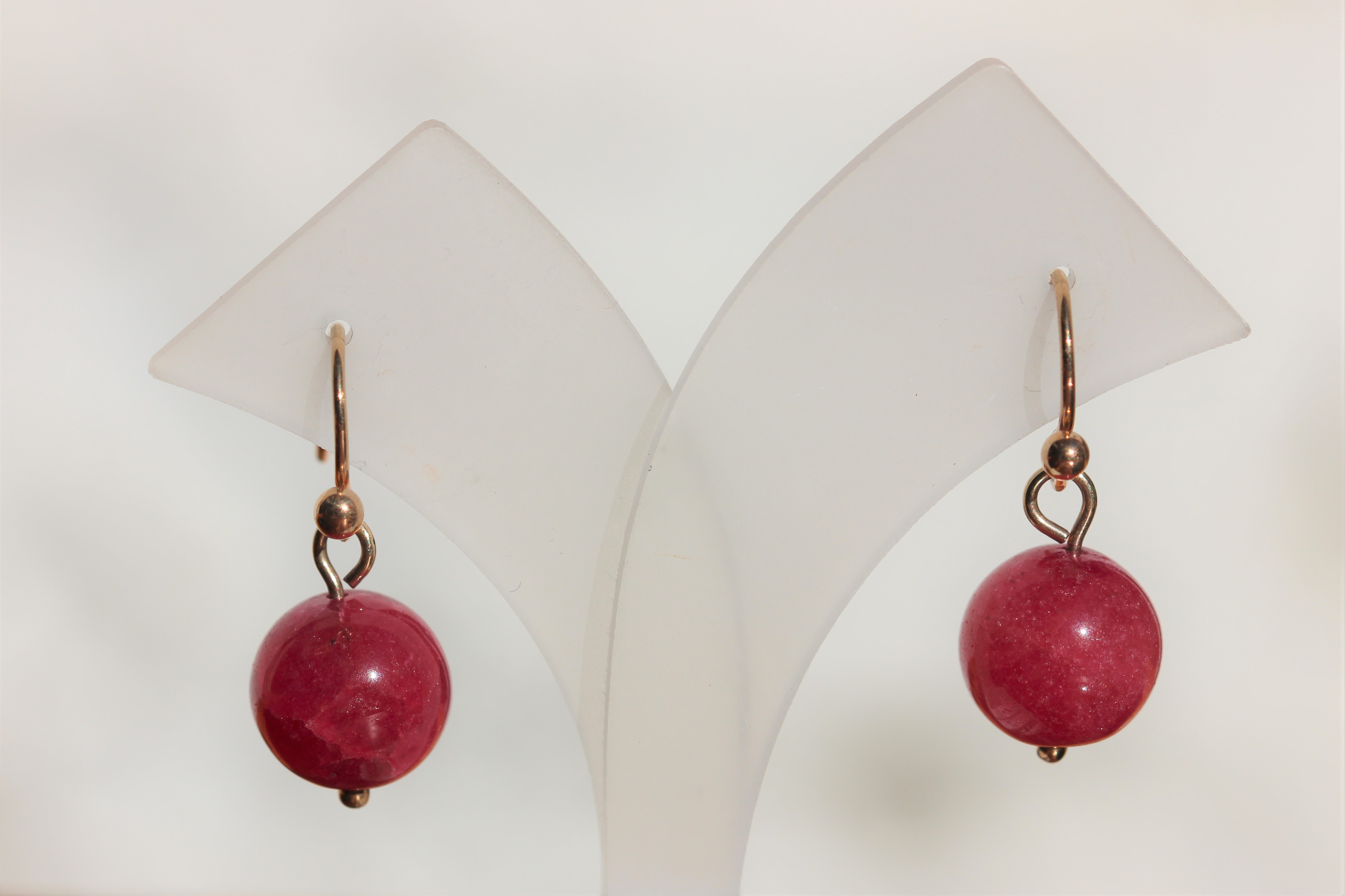
Rubies have long been the subject of treatments to improve clarity and colour. In Chapter 26 of his book ‘Natural Histories’, No 37, Pliny noted a way to improve the colour of carbunculi (red stones) by placing coloured materials under the stone, an early version of foiling. Another method to enhance colour was to soak the stone for 14 days in vinegar. Today, heat treatment is common. Glass filling of fractures in rubies is also becoming common.
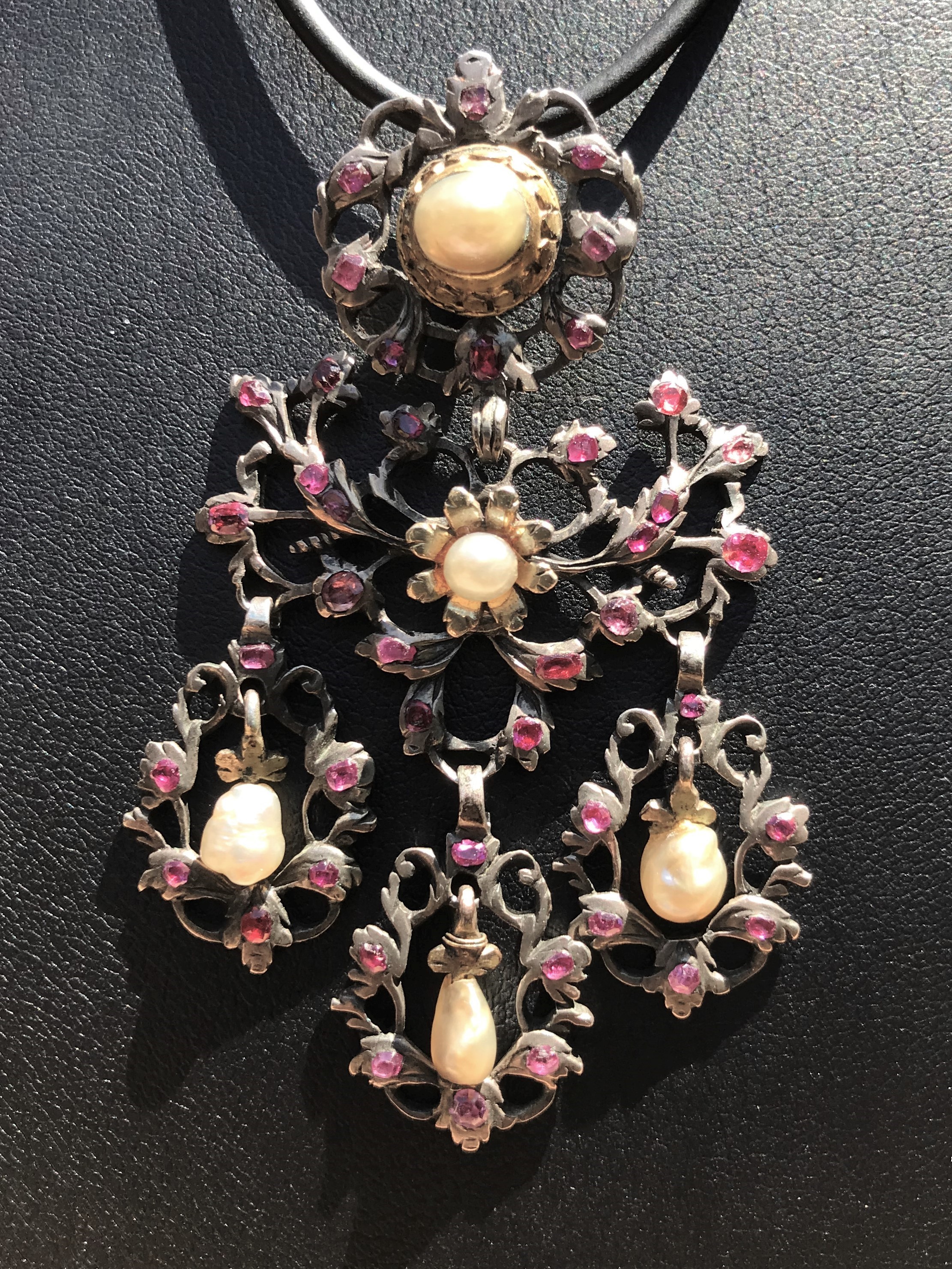
Because they are so desirable, rubies were one of the first gemstones to have synthetic versions created, with the first patent for synthetic rubies granted in 1904.
 navette jewellery
Another of my favourites. Especially the really included ones
LikeLiked by 1 person
Yes, you can see how they grew and evolved.
LikeLiked by 2 people