
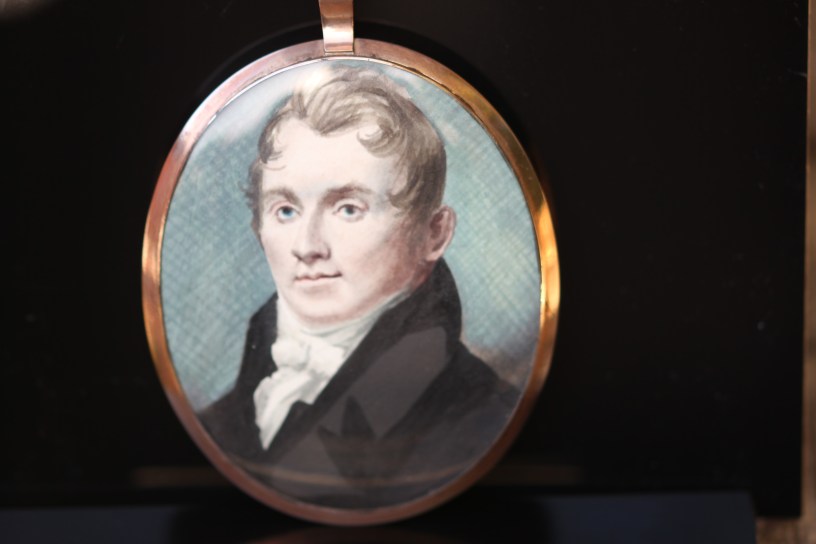
Rose gold gets its reddish tint from the inclusion of copper. Silver is also part of the alloy. Rose gold was also used by the Pharoahs from the 3rd century onwards when artificial alloying techniques were discovered and copper was added to the natural electrum. Rose gold rings have been discovered as has items with rose gold decorative features. Jack Ogden note that rose gold alloys were present during the Roman era until about the 1st century BC. Such alloys were seen again in Medieval Europe and the Islamic world (Ogden, 43).
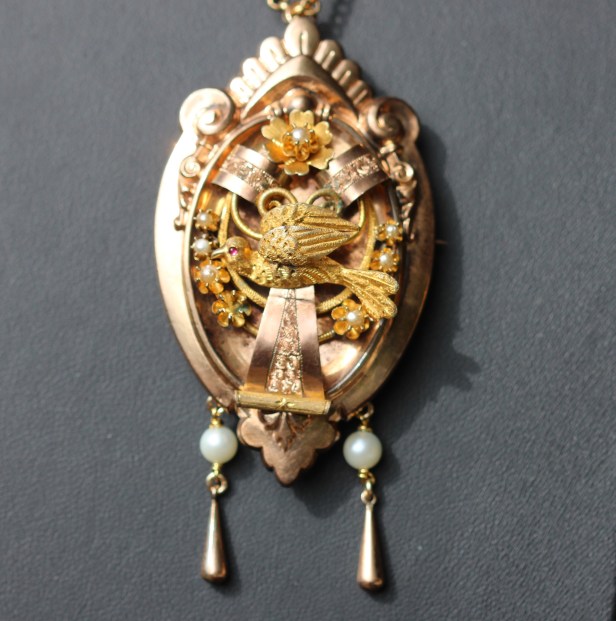
Rose gold was popular again in the 19th century. It was used in Russia by Fabergé and by Cartier in France. Victorian jewellery featured a lot of rose gold. The Victorian pendant above is a good example of yellow and rose gold being used together, with the yellow gold used for the bird and decorative flowers. It is important to note that there was not an agreed standard at this time for how much copper could be added to create rose gold so the colour of it can vary quite a lot.
White gold came about due, in some respects, to the restrictions imposed on the use of platinum for jewellery by the various world wars. A substitute for platinum was needed. An alloy of gold, palladium, and nickel was invented in 1913 and the patent was granted on December 28, 1915, to Karl Richter of Pforzheim. However, WWI stopped work on it. David Belais, an American manufacturer, applied for a patent for ‘white gold’ in 1918, using an alloy of gold, zinc and nickel, but his patent was successfully struck down in 1926 due to lack of invention and prior art.
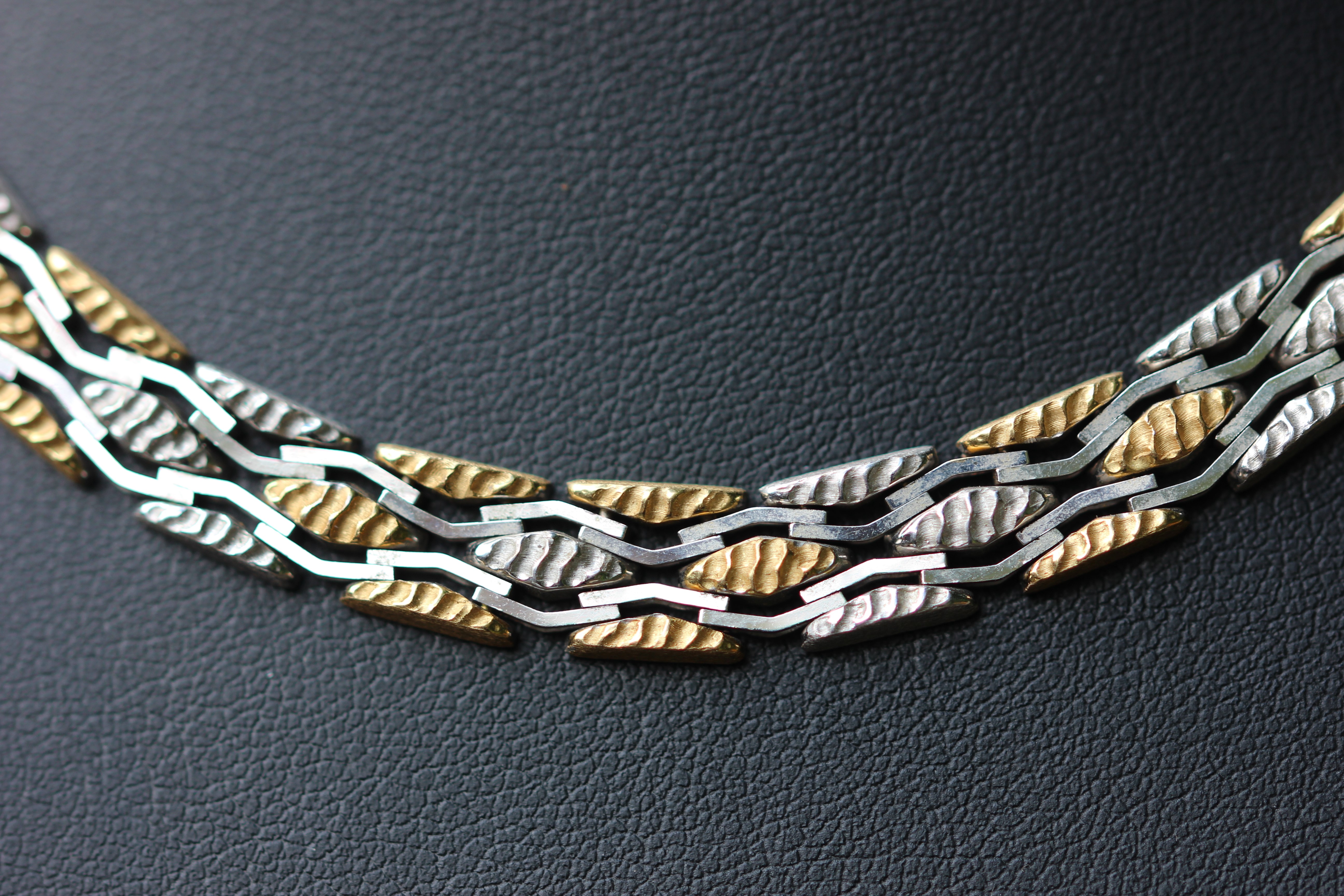
Because a white gold alloy using nickel could sometimes lead to skin irritation to wearers, palladium began to be used with gold to make white gold, however, it is very expensive and made the white gold produced a very costly item. The right mix of metals is still being sought. One patent lodged in 2005 used copper, silver, zinc and manganese.
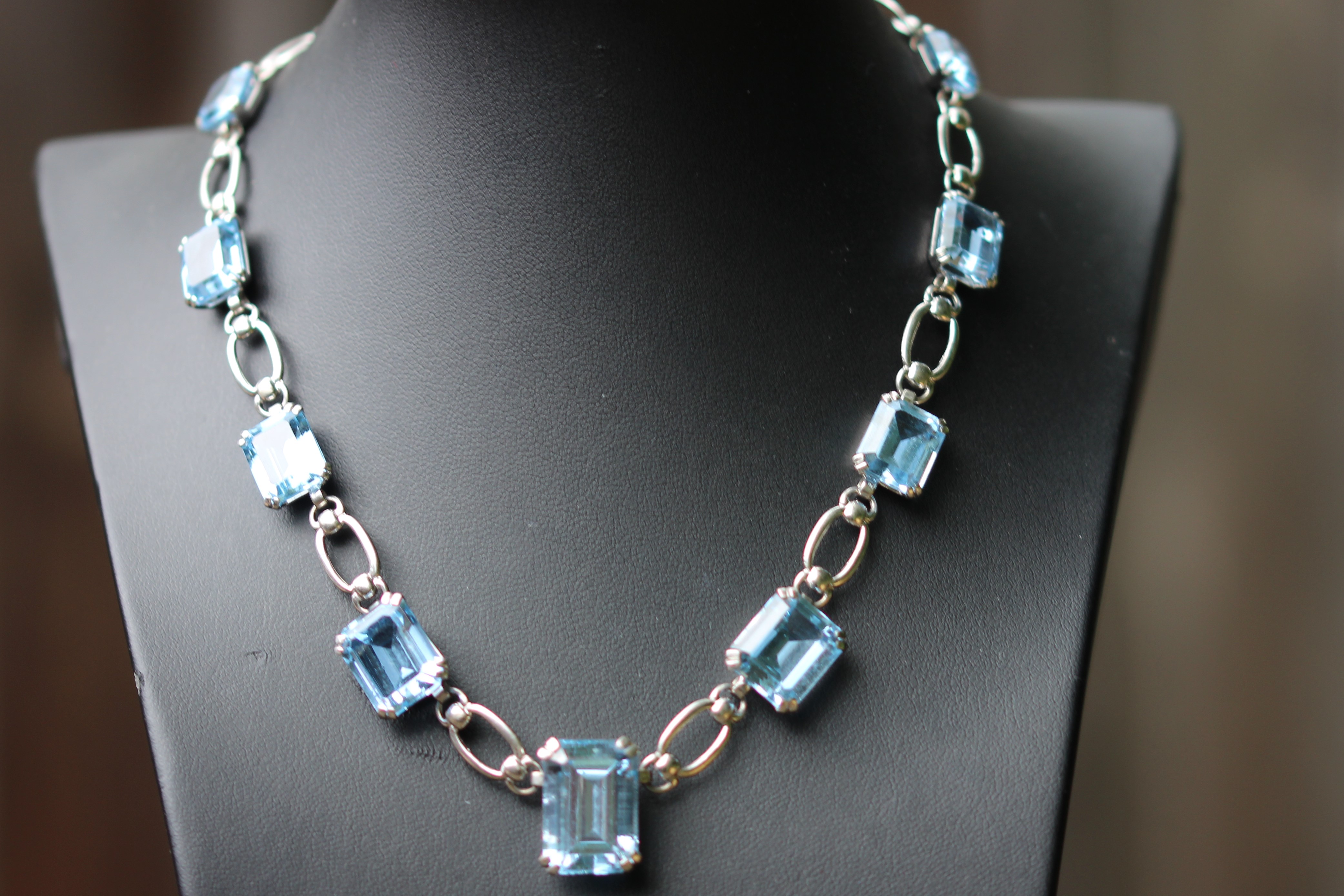
One solution to the skin problems that can be associated with white gold made with nickel was the use of rhodium, a strong white coloured metal. Rhodium is electroplated over white gold but it needs to be replaced every few years.
Reference:
J Ogden, Chapter 4 – ‘Aesthetic and technical considerations regarding the colour and texture of ancient goldwork’, in Metal Plating and Patination: Cultural, Technical and Historical Developments, ed. Susan La-Niece & Paul Craddock


I previously thought that Rose gold was a 19th century invention and the reddish tint on older pieces was just too much of copper added unknowingly or to cheat the customer. Thanks for the information.
LikeLiked by 1 person