
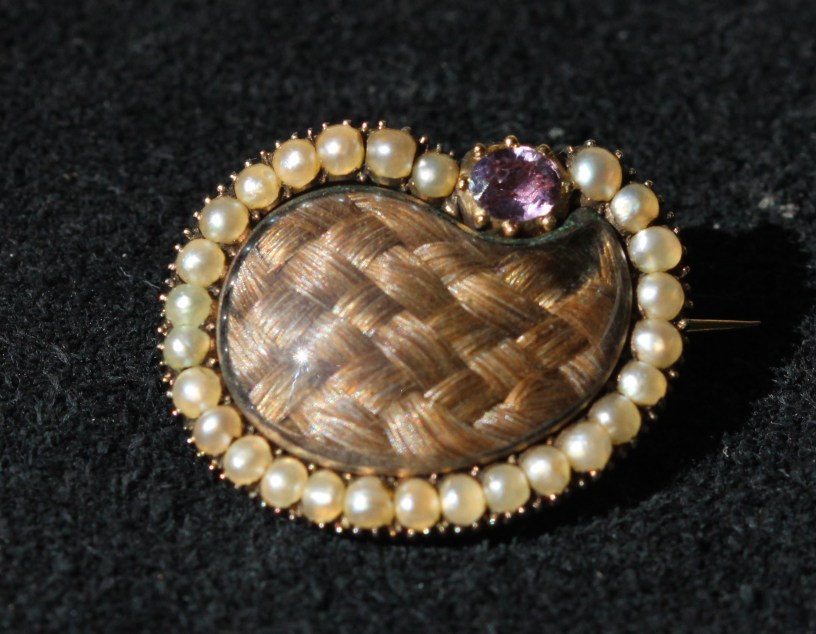
October has two gemstones – tourmalines and opals. The American National Retail Jeweler’s Association (now Jewellers of America (JA)) published the first list of birthstones in 1912, having drawn from a lot of other similar historical types of lists. The opal was the main gemstone for October in that list but the tourmaline was listed as an alternative. However, in 1952, the JA made some changes to the birthstones list, one of which was to include the tourmaline with the opal as a main birthstone for October. They specified a pink tourmaline.
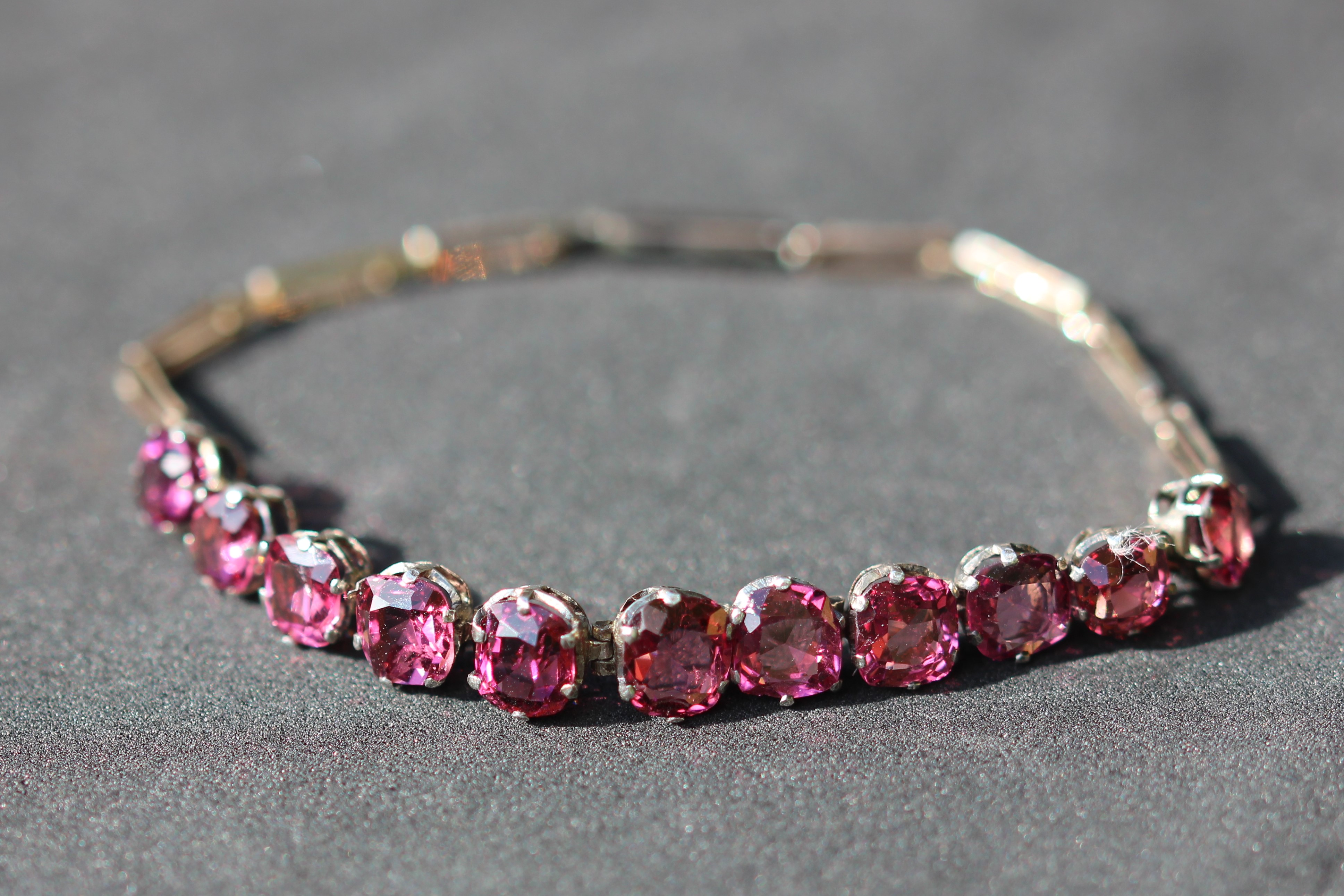
(in Navette on Ruby Lane)
Tourmalines come in a large range of colours – from greens, pinks, yellows, browns, blues, black, and lilac, to the red version called rubellite and the paraiba, a vivid blue to green stone. While used as a gemstone for hundreds of years, it was always assumed to be another similar gemstone. If green, it must be an emerald, or if pink, it must be an amethyst, pink sapphire or topaz. It was not specifically identified as a separate gemstone family until the early 1700s.
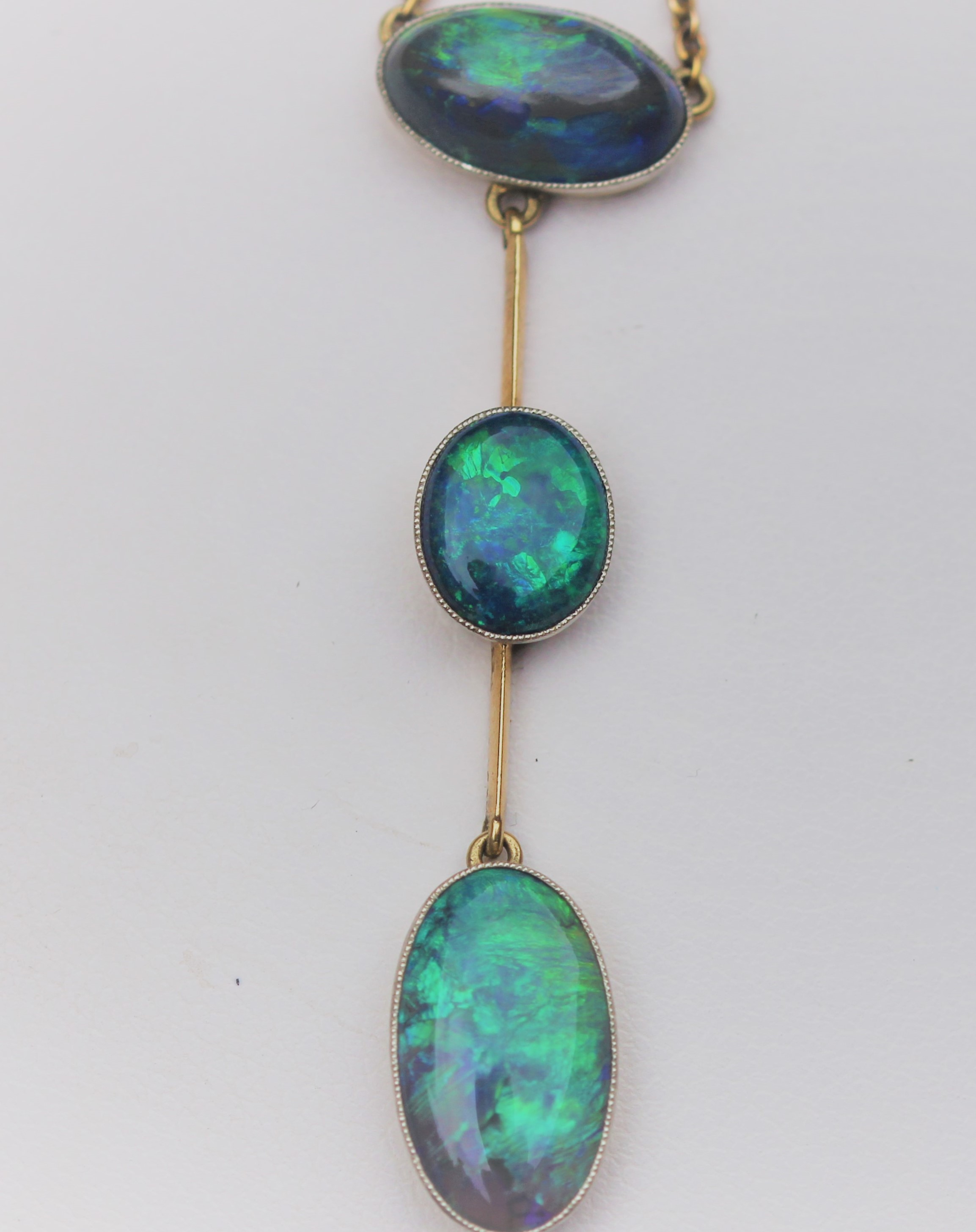
When we talk about opals used in jewellery, we are usually talking about precious opal which displays a play of colour against a white, translucent or dark background. The play of colour is a display of iridescent colours – blue, green, yellow and/or red – which change depending on the direction you hold the gemstone.
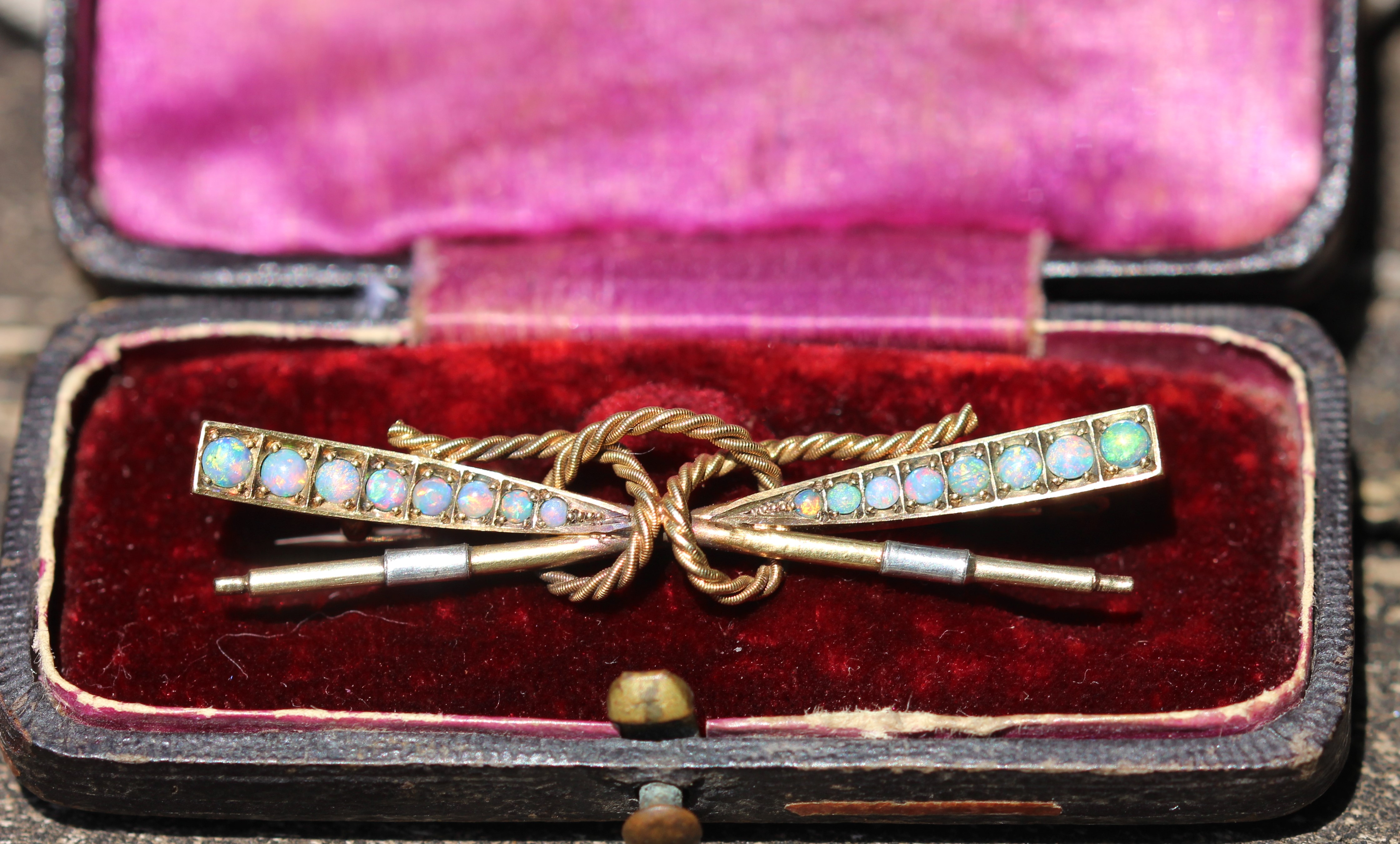
It is the background that describes and defines the type of opal. Black opals has a black, brown or dark gray background, white opal has a white or cream background and crystal opal is translucent. In antique jewellery, the most common precious opals found are white or crystal opals as black opals from Australia were not commercially mined until 1903. White opals have a white or creamy background with play of colour. A crystal or water opal refers to any kind of opal which has a transparent, translucent, or semi-translucent body.
 navette jewellery
Those are particularly fine pieces.
LikeLike
Thanks Dawn. I think the little mourning brooch is so unusual, Margaret
LikeLiked by 1 person