
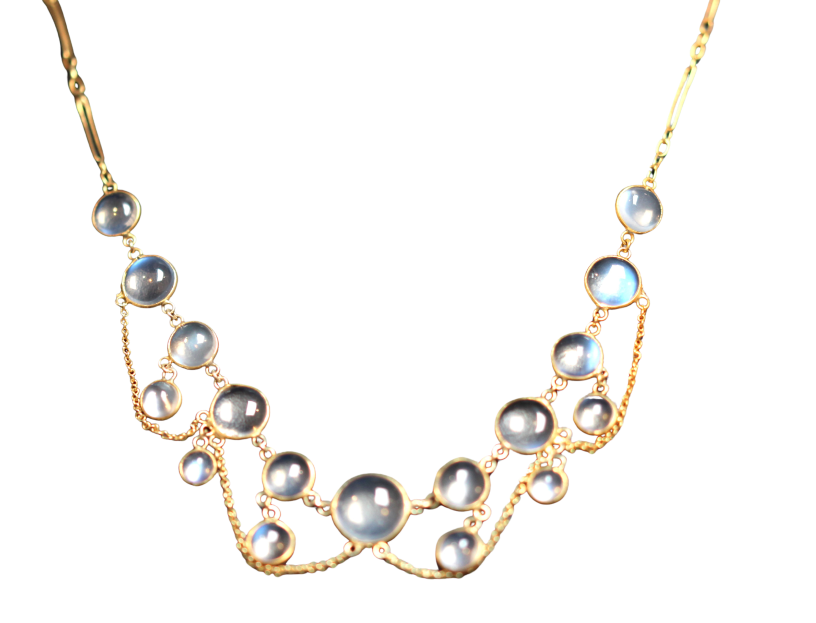
This post, my last for 2023, is about moonstones. They are a modest gemstone, quiet, not flashy, just displaying a subtle beauty, yet I find myself drawn to them.
It is thought that Pliny wrote about moonstones in his book, the Natural History of Precious Stones, calling them ‘selenitis’:
‘Selenitis is white and transparent, with a reflected colour like that of honey. It has a figure within it like that of the moon, and reflects the face of that luminary, if what we are told is true, according to its phases, day by day, whether on the wane or whether on the increase: this stone is a native of Arabia, it is thought.’ (Book XXXVII, Chap 67)
The word ‘selenite’ is derived from the Greek for the moon and there is a gypsum mineral that is called ‘selenite’ which is transparent to opaque but it too soft for use as jewellery so the Pliny quote is taken to be referring to moonstone, the gem.
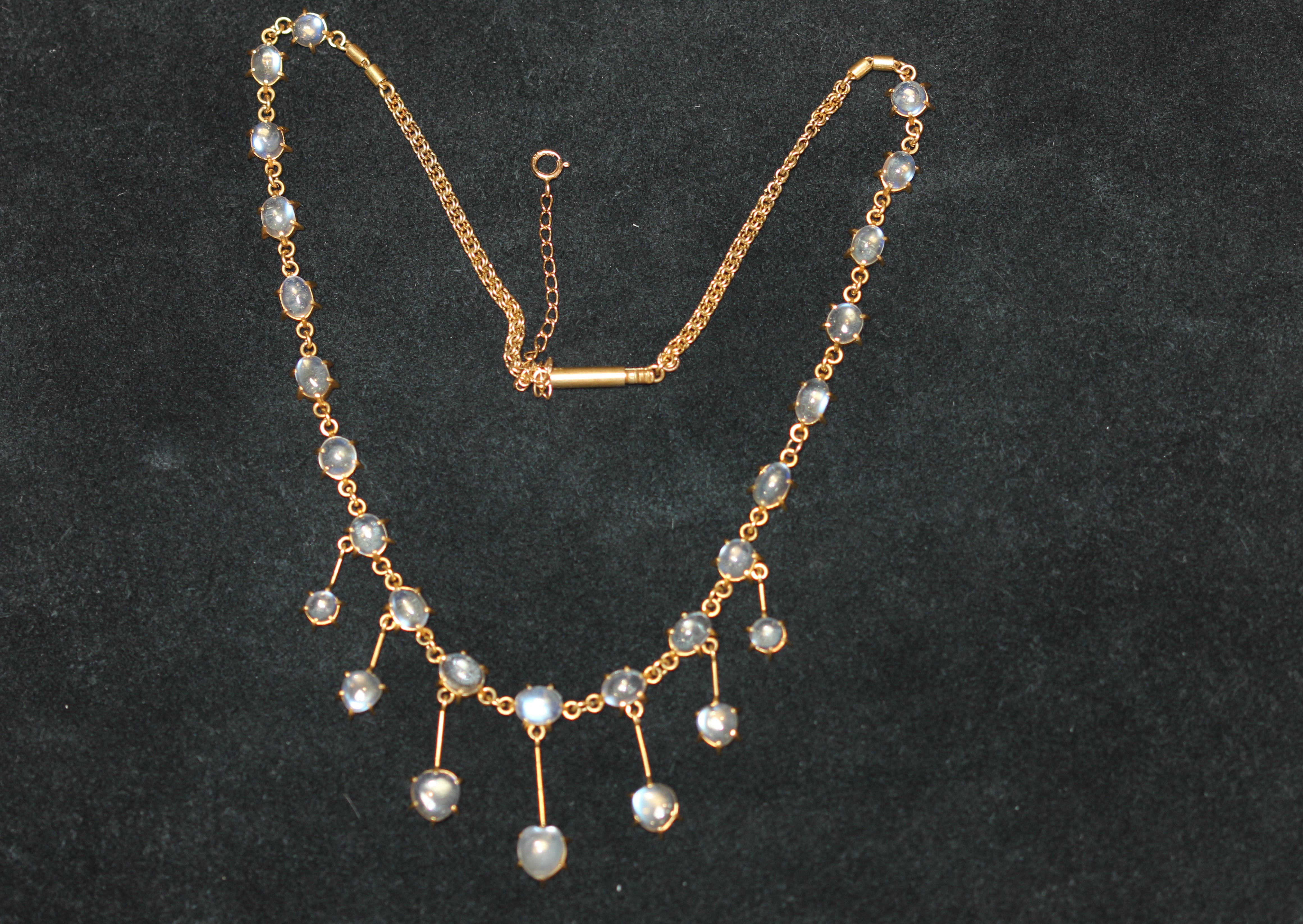
Moonstones do look as if they are reflecting moonlight, with a lovely white shimmer which appears within the stone, known as adularescence. This effect is heightened when the gem is cut as a cabochon.
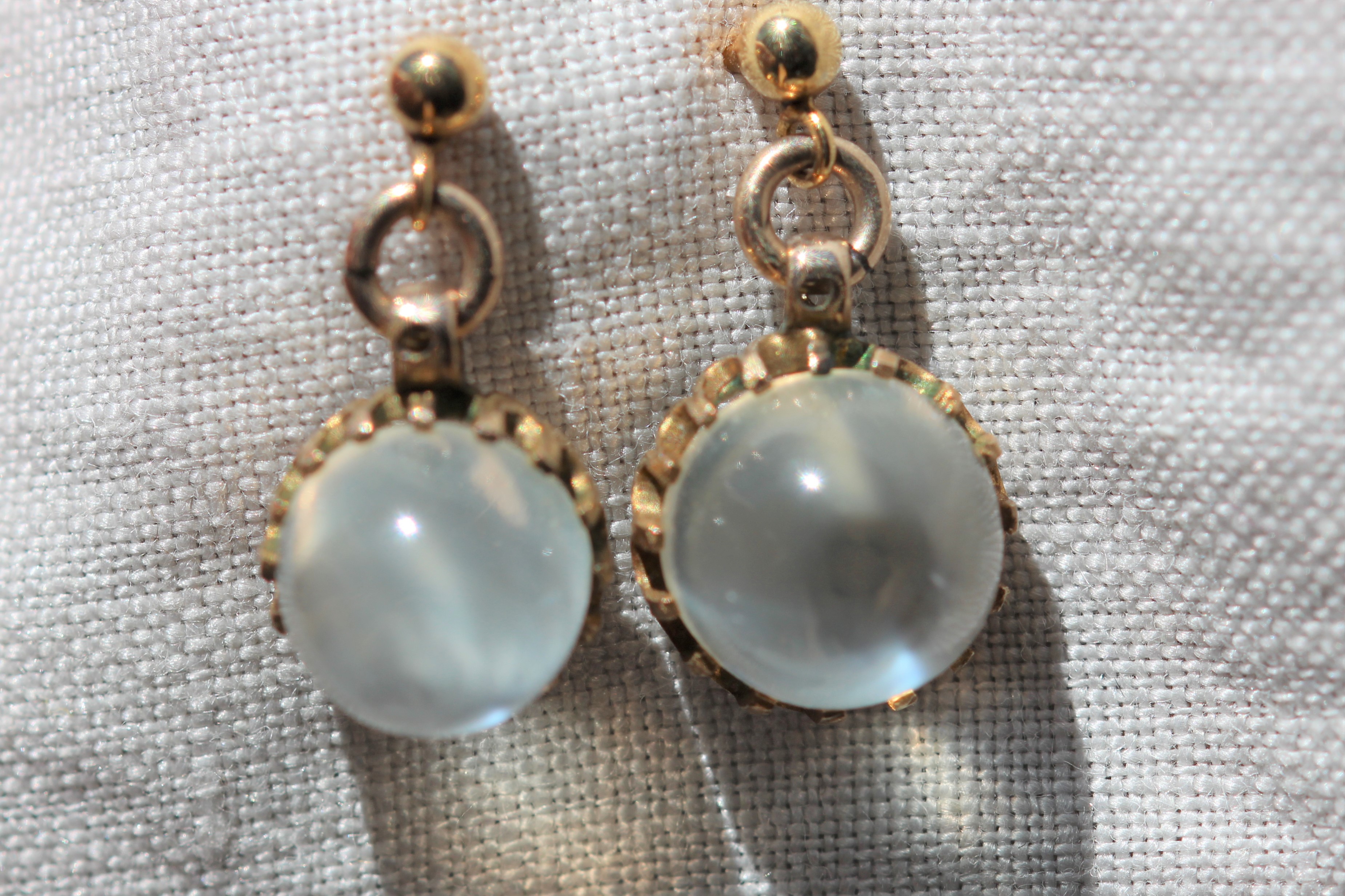
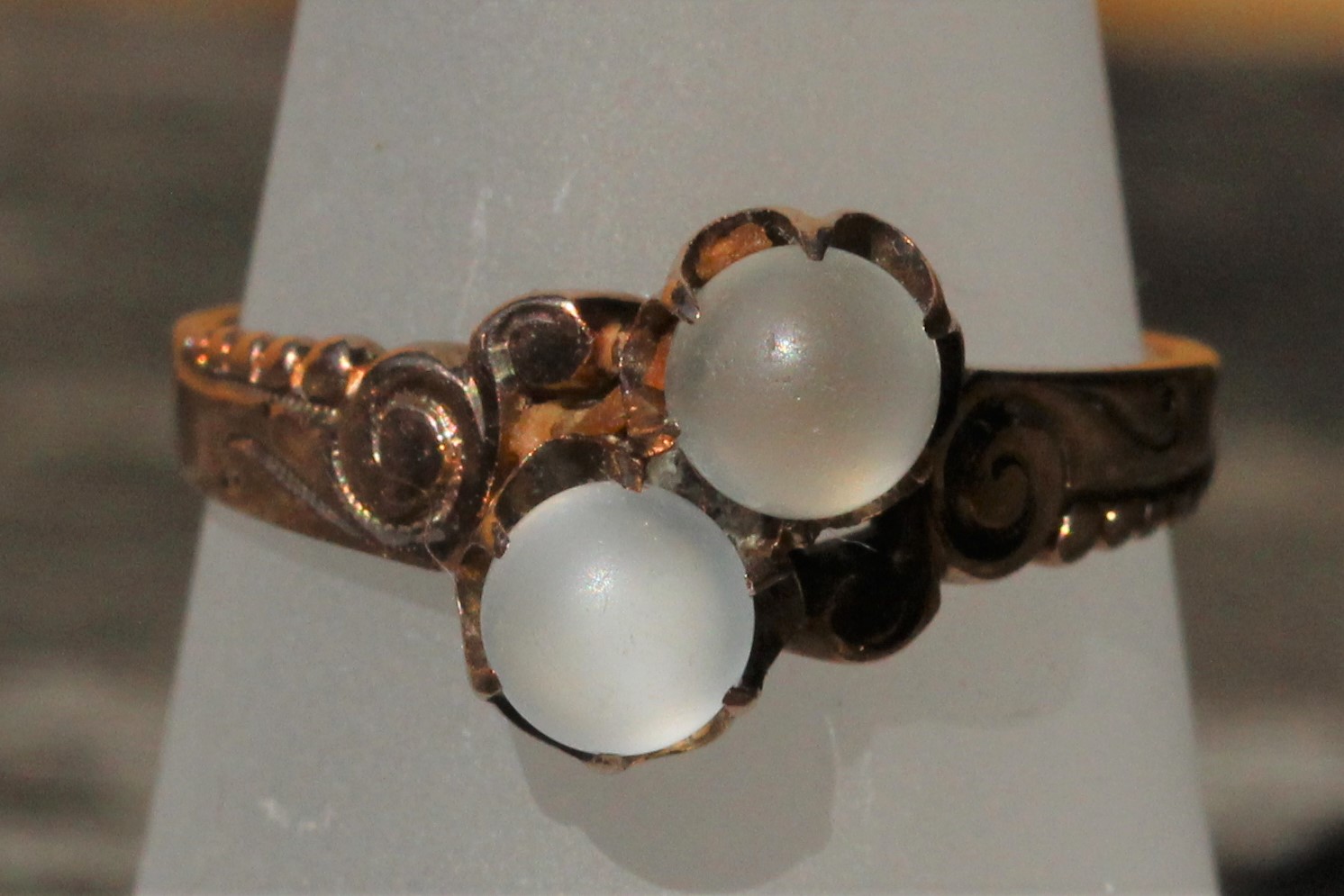
All the moonstones in the pieces photographed here are cut as round cabochons and they clearly show the effect of moonlight reflecting from within the depths of the stone. Beautiful!
I will back in 2024 with some more antique jewellery to discuss.
 navette jewellery
One of my faves
LikeLike
Hi Dawn, thanks for reading my blog. Hope 2023 has been a good year for you, Margaret
LikeLiked by 1 person