
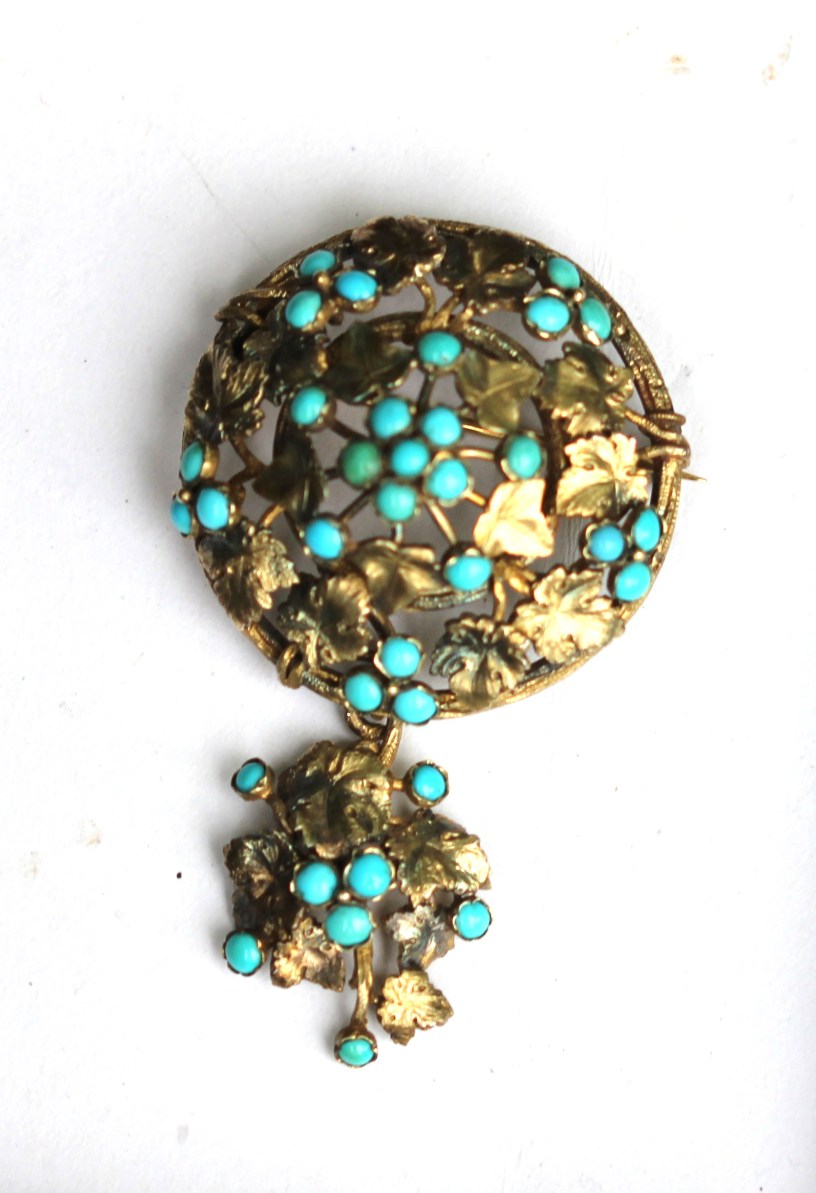
There are a number of terms used to describe jewellery made of something that looks like gold but which is not pure gold. Some of those terms are rolled gold, gold filled, gold plated, and gilded. The specific term I want to discuss in this post is ‘gold over silver’, also known as vermeil or gold plated silver. In a number of countries, the allowable gold and silver components are controlled by legislation. In France, from December 2023, the Commercial Code (Article L832-8) requires the silver base to be a thickness of a legally recognized fineness, such as 925 (sterling silver) or 800 thousandths and the gold to be at least 18ct (750) with a minimum thickness of 5 microns. The piece should be stamped with the appropriate silver stamp as well as the maker’s mark.
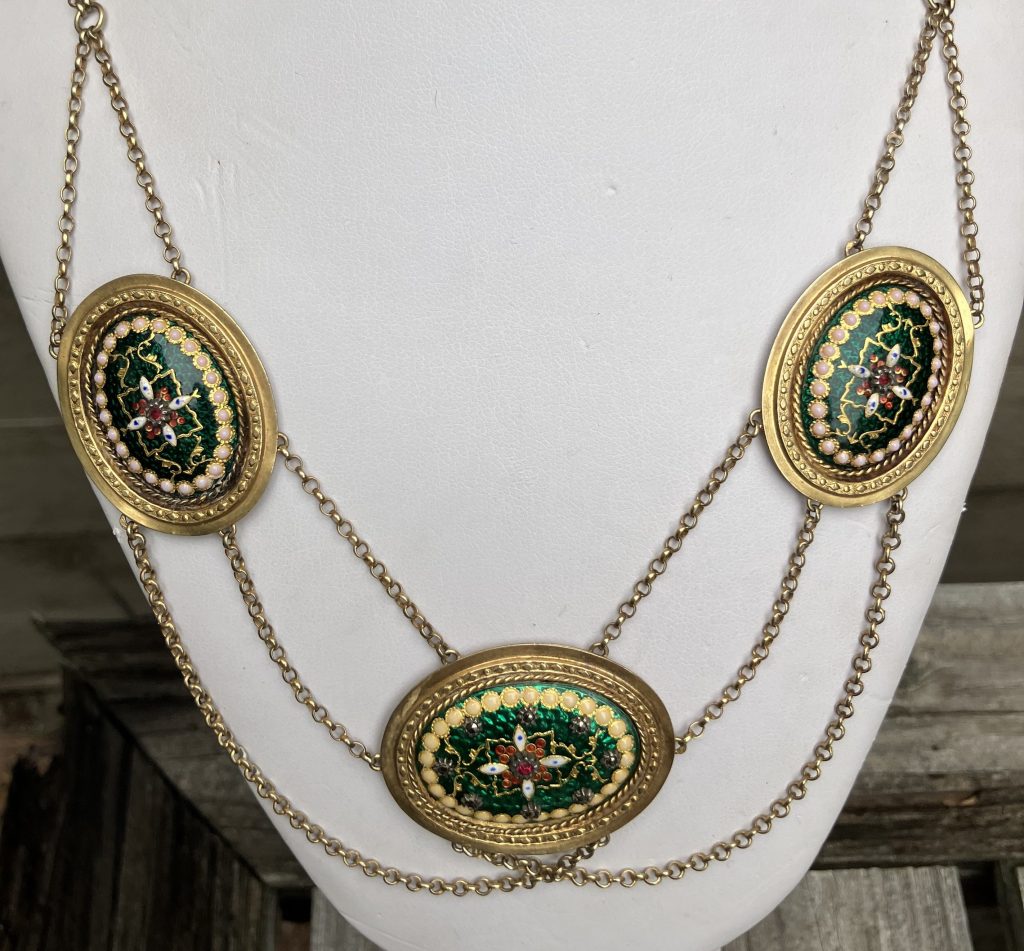
Between 2023 and 1984, vermeil was covered by Article 551 of the General Tax Code setting down similar requirements to the 2023 Code. Prior to 1984, French assay law, dating back to 1797 and the 1838 Hallmarking Reform, considered vermeil objects to be silver if they met legal silver fineness standards (historically 950 or 800 thousandths, later 925 or 800) and bore the maker’s mark and silver guarantee stamp.
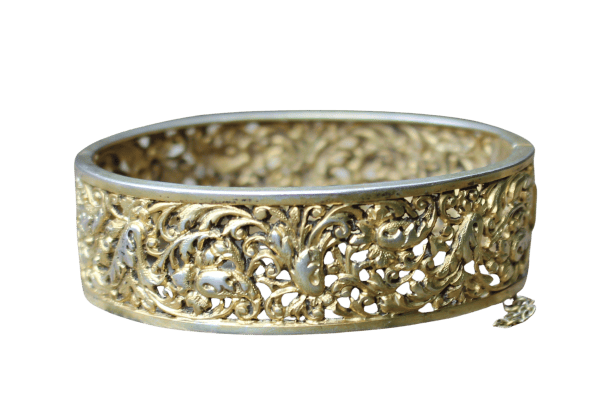
From 1838, antique gold over silver jewellery could be stamped with the Boar’s head, used for smaller pieces of jewellery of 800-to-900 silver quality originating from Paris and also used nationally or the Crab, used for small silver jewellery of 800 (or higher) silver content originating from regional assay offices.
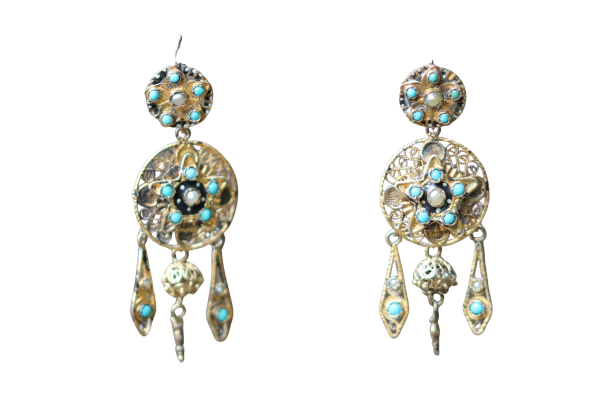
As well, from 1838, there was the weevil mark which indicated that a small piece of jewellery was imported into France and meets the required gold and silver purity requirements. Then there was the Rabbit or Hare’s head stamp used from 1819 to 1838 as an official Paris assay guarantee mark for small silver items, guaranteeing a minimum fineness of .800, and then later from 1898 to indicate that a gold or silver item had been exported from France, often tax-free, and was subsequently re-imported back into France, with taxes paid.
An excellent reference for French hallmarks is ‘French hallmarks for precious metals’, by Michael Fieggen.

